

How to Level-Up Your Event with Additional Rentals
The event’s planned with a stunning venue, delicious catering, and an artist to keep the energy up all night. This is a recipe for a killer event, but there are still a few things you could add to pack even more of a punch and create a night your guests will remember.
What Else Can I Add to My Event?
Once your core details are locked down, it’s time to consider some extra entertainment. There are a million different ways to elevate your event, and often event companies that helped you book other aspects of your night can either provide these extras or get you in contact with someone that can provide them.
Some common options to add on to your event are:
Photographer, videographer or drone shots
Photo booths (print or digital)
Lawn games (Mini Golf)
Balloon Decor
Brand Activations
SWAG Giveaways
Branded drinks/snacks
Bringing in an activity
All of these options make events more lively, memorable, and interactive. Whether it’s a photo with the bride and groom or a piece of SWAG they use everyday, these create lasting memories for guests.
How Should I Pick What to Add to My Event?
Different kinds of events benefit from different extra event rentals. Longer events like conferences might need some more activities for guests to try out throughout the day to break up their time while a more intimate event like a wedding might want to keep guests attention only on the activity happening at the altar.
Activity based activations like a photo booth or lawn games work well for:
Pre-wedding drinks or reception
Corporate events with longer breaks
Big events with a lot of attendees that can’t all be in the same place at once
Family-friendly events with lots of kiddos running around
Environmental activations work well for:
Events that want to call attention to one part of the venue
Creating a cohesive vibe to the event
Integrating your brand seamlessly into the event
Documenting your event
When thinking about which extras to add on, consider what parts of the event you want to be extra memorable for your guests and the experience you want to create for the guests throughout the event.
What is the Process to Book an Additional Rental?
The first step when adding anything on to your event is to determine the budget that you have available. Quotes can vary based on what you’re looking to rent, who is providing the equipment or service, and if the add-on needs any staff on the day of the event. Figure out how much budget you have left and which add-ons are your priority so you know what you’re willing to splurge on or cut back as needed.
Once your budget is determined, discuss the items you’re looking for with your production company. Lot’s of production companies either have the resources to get you these additional items in house or will be able to get you a referral to someone who can provide them. They also might need information about what you’re looking to get so they can prepare the layout and make sure they have adequate power or other necessary equipment to accommodate the add-ons. If the teams you’re already working with can’t help you get these items, do some research for local event companies in your area.
After discussing your needs with your production company, they should provide you with quotes and other important information about what services they provide. With this information, you can incorporate the add-ons to make your event unforgettable.
Looking to plan an event in New England? Browse our roster of Event Rentals as well as vetted and experienced bands, DJs, and performers. If you’re looking for a personalized recommendation, contact our team. We'll match you with the right act for your event — guaranteed.
What to Look for When Hiring Live Entertainment for Your Event
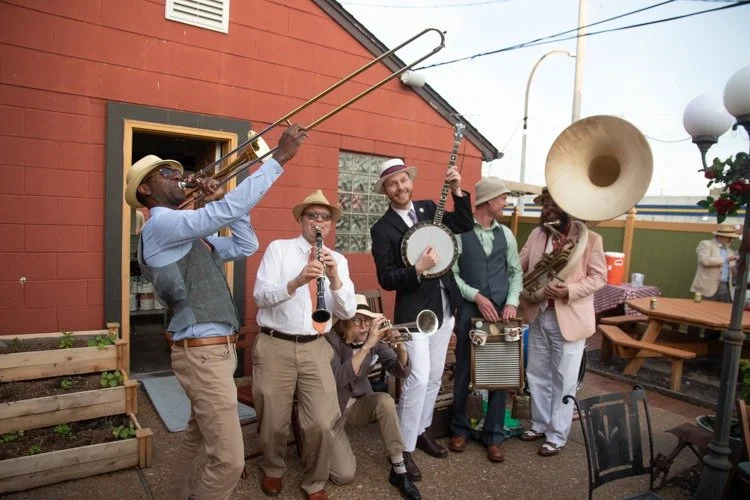
Whether it's a wedding, a milestone birthday, a company party, or a fundraiser gala — the entertainment you choose sets the mood for the entire night. But hiring live entertainment isn't like ordering off a menu. There's a real difference between an act that shows up and plays music and one that transforms your event into something people remember.
Here's what to actually look for when you're vetting bands, DJs, and performers for your next event.
Do They Have Experience With Your Type of Event?
This is the single most important thing to check, and it's the one most people skip. A band that's incredible at a packed bar on a Saturday night might be completely wrong for a seated corporate dinner. A DJ who crushes nightclub sets may not know how to pace a four-hour wedding reception.
When you're evaluating an act, ask directly: how many events like yours have they done? A performer with 200 weddings under their belt understands the flow of a reception — when to bring the energy up, when to pull it back, how to handle the bouquet toss without making it awkward. That kind of instinct doesn't come from talent alone. It comes from reps.
The same goes for corporate events, private parties, and galas. Each one has its own rhythm, and experienced performers know how to read it.

Watch Them Perform
(Don't Just Listen)
Demo reels and audio clips are a starting point, but they only tell part of the story. What you really want to see is how the act engages with a live audience.
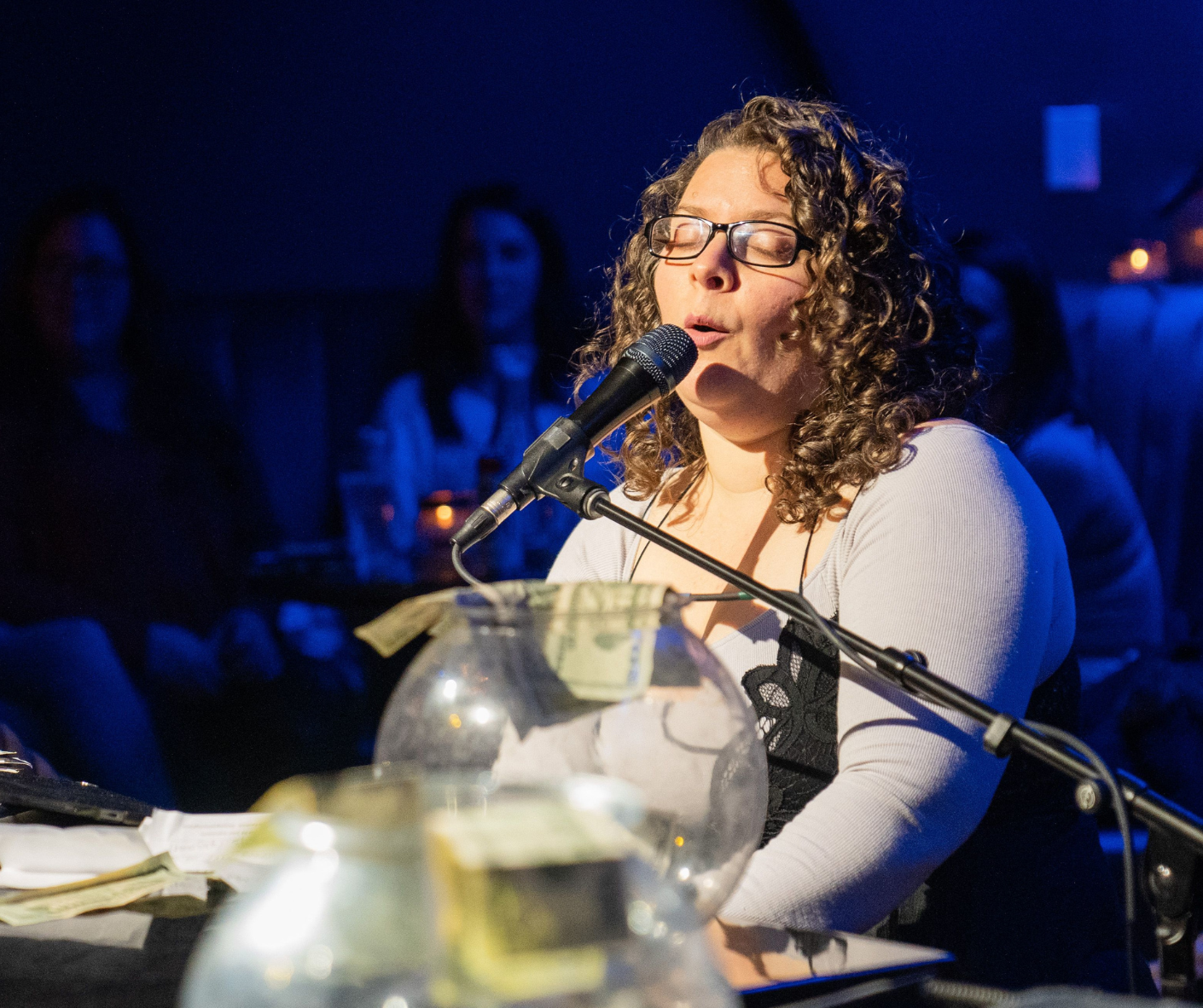
Look for video — ideally from an actual event, not a studio recording session. Pay attention to more than just the music.
Are they making eye contact with the crowd?
Do they look like they're enjoying themselves?
Is the audience responding?
A great live act creates energy in the room. You should be able to feel it even through a screen.
If the band or DJ doesn't have video available, that's worth noting. In 2026, any serious professional act should have at least a few clips from recent performances. It doesn't need to be cinematic — even a well-shot phone video from a real event tells you a lot.
Professionalism Behind the Scenes
The performance is what your guests see. But what happens before and after the stage lights come on matters just as much.
Here's what professionalism looks like in the live entertainment world:
Communication. Are they responsive? Do they answer questions clearly? Do they follow up when they say they will? If it takes a week to get a reply to a simple email during the booking process, imagine what it's like trying to coordinate day-of logistics.
Contracts. Any legitimate act should provide a clear, written contract that covers the date, time, location, pricing, what's included, cancellation terms, and overtime rates. If someone wants to do a handshake deal with no paperwork, keep looking.
Setup and logistics. A professional act thinks about more than just the setlist. They'll ask about your venue layout, power availability, load-in access, and sound restrictions. They should be solving logistical challenges for you, not creating them.
Appearance. This doesn't mean everyone needs to show up in a tuxedo. But the act should look appropriate for your event. A good question to ask: "What does your band typically wear for events like mine?" It tells you whether they've thought about it.
The Right Fit for Your Crowd
A common mistake is booking entertainment based on what you personally like rather than what your guests will enjoy. If you love jazz but your wedding guests are in their twenties and thirties and want to dance, a straight jazz quartet might leave the floor empty.
Think about who's in the room. A multigenerational crowd — like most weddings and family celebrations — calls for an act that can move between decades and genres. The best performers can do this seamlessly without it feeling like a random shuffle playlist.
For corporate events, consider the culture of your company and whether clients will be present. The goal is entertainment that brings people together without alienating anyone. A safe bet is an act with a broad repertoire that can adjust on the fly based on how the room is responding.
Reviews Are Non-Negotiable
Online reviews are huge! Look into what people are saying about the performers you are considering! It will trigger other ideas and questions you might not have thought of! You can take it a step further and ask the act for references — specifically from events similar to yours. Ask pointed questions like:
Did they show up on time?
Were they easy to work with in the planning process?
How was the sound quality at the venue?
Would you book them again?
Price and Value
There's a wide range of pricing in the live entertainment world, and cheap rarely means good value. In New England, here's a rough landscape:
If a price seems too good to be true, ask why. It might be a newer act building their portfolio (which can be a great value if they're talented), or it could be a sign that something is missing — like proper sound equipment, liability insurance, or the experience to handle your event smoothly.
On the flip side, the most expensive act isn't automatically the best fit. Price should reflect quality and experience, but the best hire is the one that matches your event, your crowd, and your budget — not just the one with the highest fee.
The Bottom Line
Hiring live entertainment is one of the most impactful decisions you'll make for any event. The right act doesn't just play music — they create the atmosphere, drive the energy, and give your guests a reason to stay on the dance floor. Take the time to vet properly, ask the right questions, and prioritize experience and fit over flash.
Looking for live entertainment in New England? Browse our roster of vetted, experienced bands,DJs, and performers, or contact our team for a personalized recommendation. We'll match you with the right act for your event — guaranteed.
How to Choose Entertainment for a Corporate Event (And Actually Get It Right)
You've been handed the task of planning the company event. The venue is booked, catering is sorted, and now someone asks: "So what are we doing for entertainment?" If your first instinct is mild panic, you're not alone.
Corporate entertainment is one of those things that can quietly make or break an event. Get it right and people talk about it for months. Get it wrong and you've got a room full of employees checking their phones by 8:30. Here's how to make sure you land on the right side of that line.
Start With the Event, Not the Entertainment
Before you start browsing band rosters or calling DJ companies, take a step back and think about the event itself. The entertainment should fit the occasion — not the other way around.
Ask yourself a few key questions:
What's the purpose of the event? A holiday party has very different energy than a product launch or a client appreciation dinner. A holiday party wants a packed dance floor. A client dinner might call for tasteful background music that lets people talk without shouting.
Who's in the room? Think about the age range, the culture of your company, and whether clients or outside guests will be there. Entertainment that kills at a startup's summer bash might not land the same way at an executive retreat.
What's the format? Is there a sit-down dinner followed by dancing? A cocktail-style mixer? An awards ceremony? The format dictates what kind of entertainment makes sense and when it should happen during the night.
Know Your Options
Corporate events don't have to default to a DJ playing Top 40 in the corner. There's a wide range of entertainment that works depending on the setting:
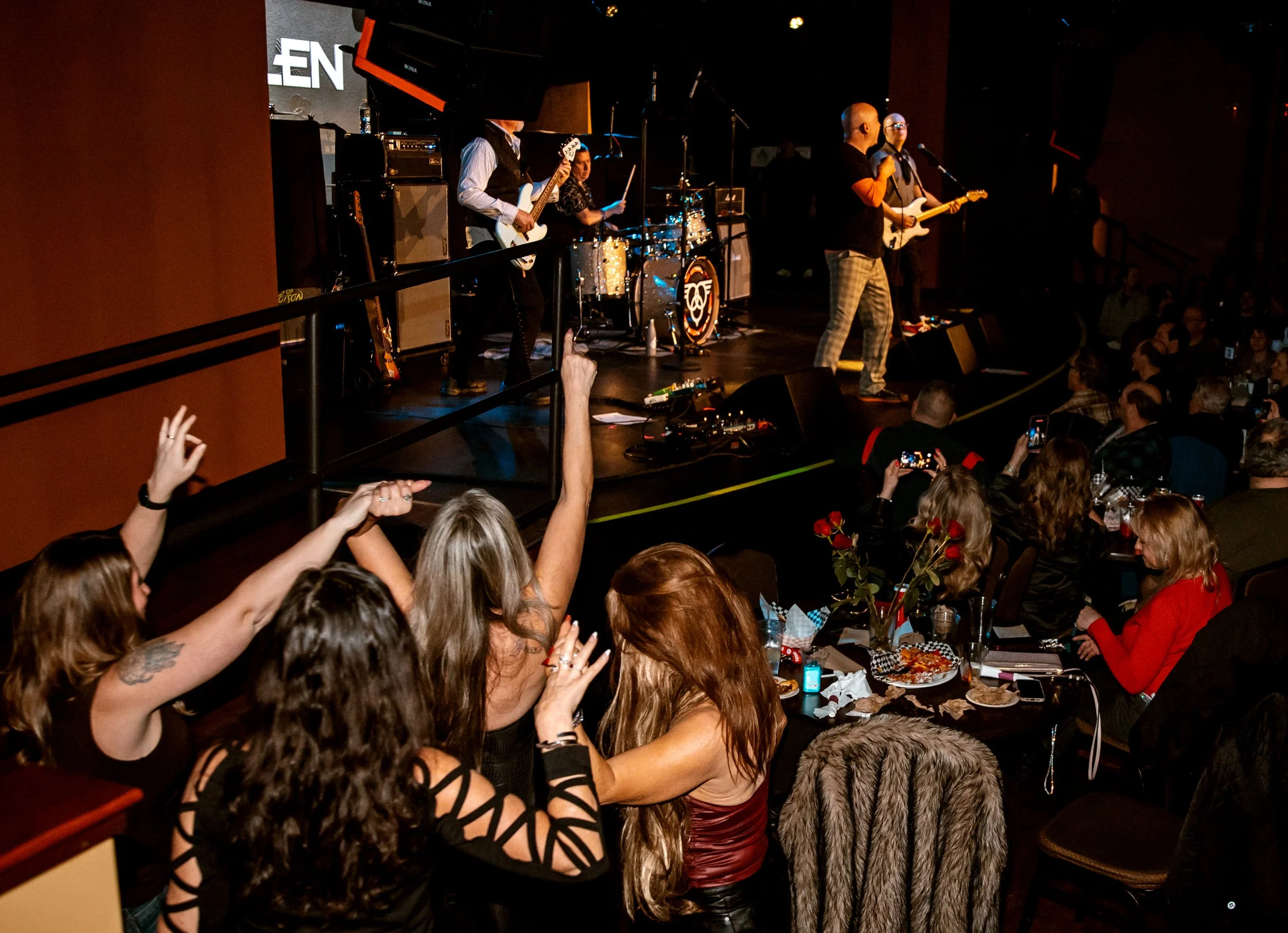
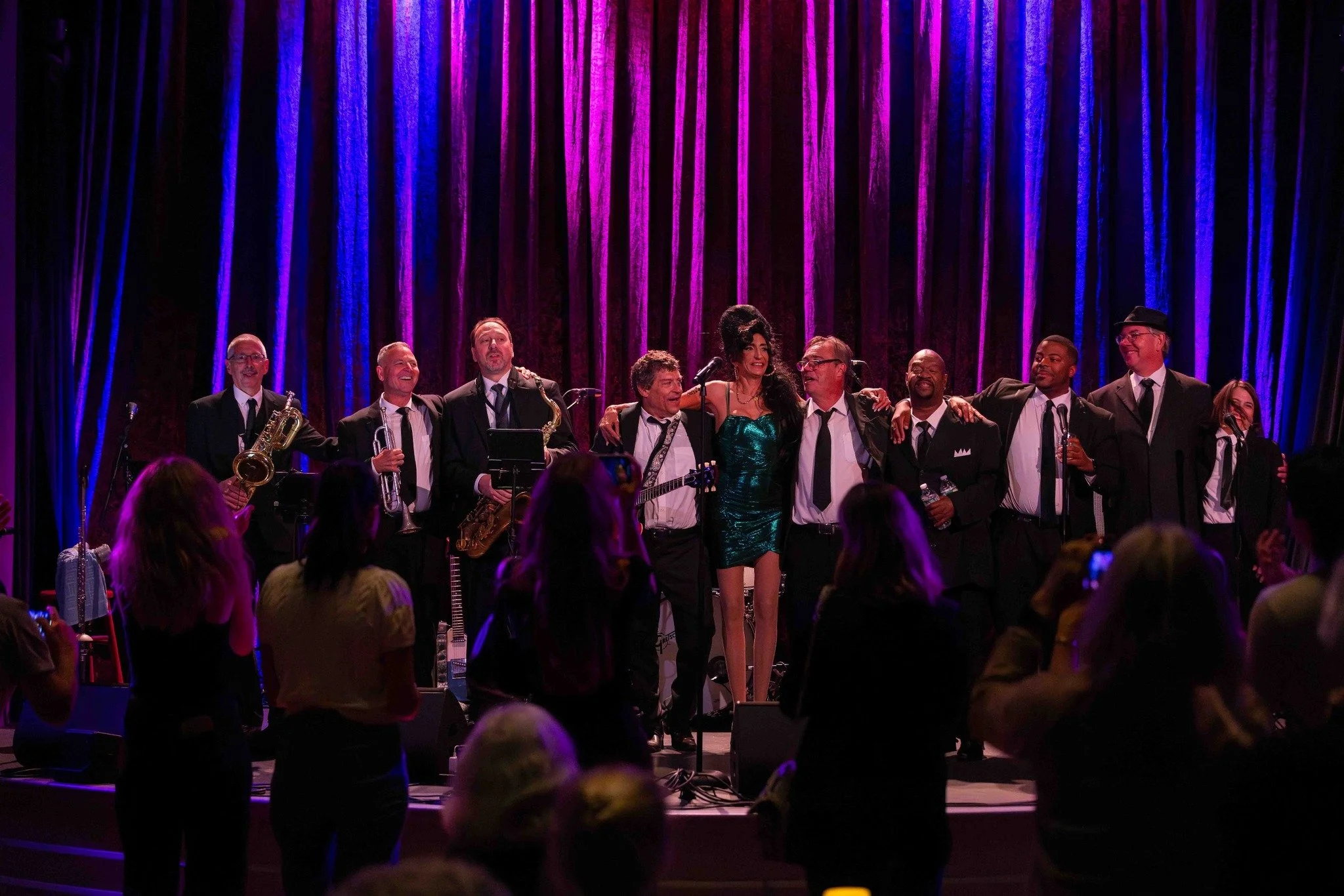
Live bands are ideal when you want energy, presence, and a dance floor. A great corporate band knows how to read a room of professionals, look for bands that have specific experience with corporate events, not just weddings or bar gigs.
DJs offer flexibility and a massive song catalog. They're especially effective for events where the music needs to shift across multiple vibes in one night — background during dinner, upbeat during cocktails, full dance mode later. A skilled DJ also doubles as an MC, handling announcements and transitions smoothly.
Solo musicians and duos are a great fit for cocktail hours, receptions, and more intimate gatherings. Think acoustic guitar, jazz piano, or a vocalist-guitarist combo. They provide ambiance without overwhelming the room.
Specialty acts — like a jazz trio, string quartet, or even interactive entertainment — can add a memorable touch for upscale or themed events.
Budget: What to Expect and Where to Spend
Entertainment budgets for corporate events vary widely, but here's a general framework for the New England market:
A professional DJ for a corporate event typically runs between $1,500 and $4,000, depending on the length of the event and what's included (sound, lighting, MC duties).
A live band ranges from $3,500 to $15,000+, depending on the size of the group and their experience level. Solo and duo acts usually fall between $500 and $2,000.
Here's the thing most people get wrong with corporate entertainment budgets: they treat it as a line item to minimize rather than an investment in the experience.
Your guests will forget the appetizers. They won't forget a packed dance floor at midnight or a killer band that had the whole room singing along.
If budget is tight, consider mixing formats. Book a solo artist for cocktail hour and a DJ for the main event. You get variety without the price tag of a full band for the entire night.
Questions to Ask Before You Book
Once you've narrowed down what type of entertainment you want, there are a few questions to ask a prospective artist that can separate a smooth booking from a stressful one:
Do you have experience with corporate events? This matters more than you'd think. Corporate crowds behave differently than wedding guests, and experienced performers know how to navigate that — from appropriate song choices to handling the energy in a room where people might be hesitant to be the first on the dance floor. Look for an artist that has experience with the type of crowd your event will bring.
What's included in your pricing? Get clarity on sound equipment, lighting, setup and breakdown time, travel fees, and whether there are overtime charges if the event runs long. The last thing you want is a surprise invoice two weeks later.
Can you handle MC duties? If your event includes awards, speeches, or announcements, you need someone comfortable behind a mic in a professional setting. Many bands and DJs offer this, but ask specifically if they can provide that service for your event.
What's your cancellation and backup policy? Life happens. Know what you're agreeing to upfront, and make sure your contract covers rescheduling or cancellation terms.
The Biggest Mistake Companies Make
Waiting too long to book. The best corporate entertainment acts — especially during peak seasons like the holiday stretch from November through January — get locked in months in advance. If you're planning a holiday party, start the entertainment conversation by late summer at the latest.
The second biggest mistake? Booking based on price alone. A bargain DJ who can't read a corporate room will cost you more in the long run than a seasoned professional who knows how to make your event shine.
The Bottom Line
Corporate entertainment isn't just about filling silence — it's about setting the tone for the entire event. The right choice depends on your audience, your format, and the experience you want people to walk away with.
Planning a corporate event in New England? Browse our roster of professional bands, DJs, and solo acts with corporate event experience, or reach out to our team and we'll help you find the perfect match for your event.
Band vs. DJ for Your Wedding: How to Choose the Right Entertainment
It All Begins Here
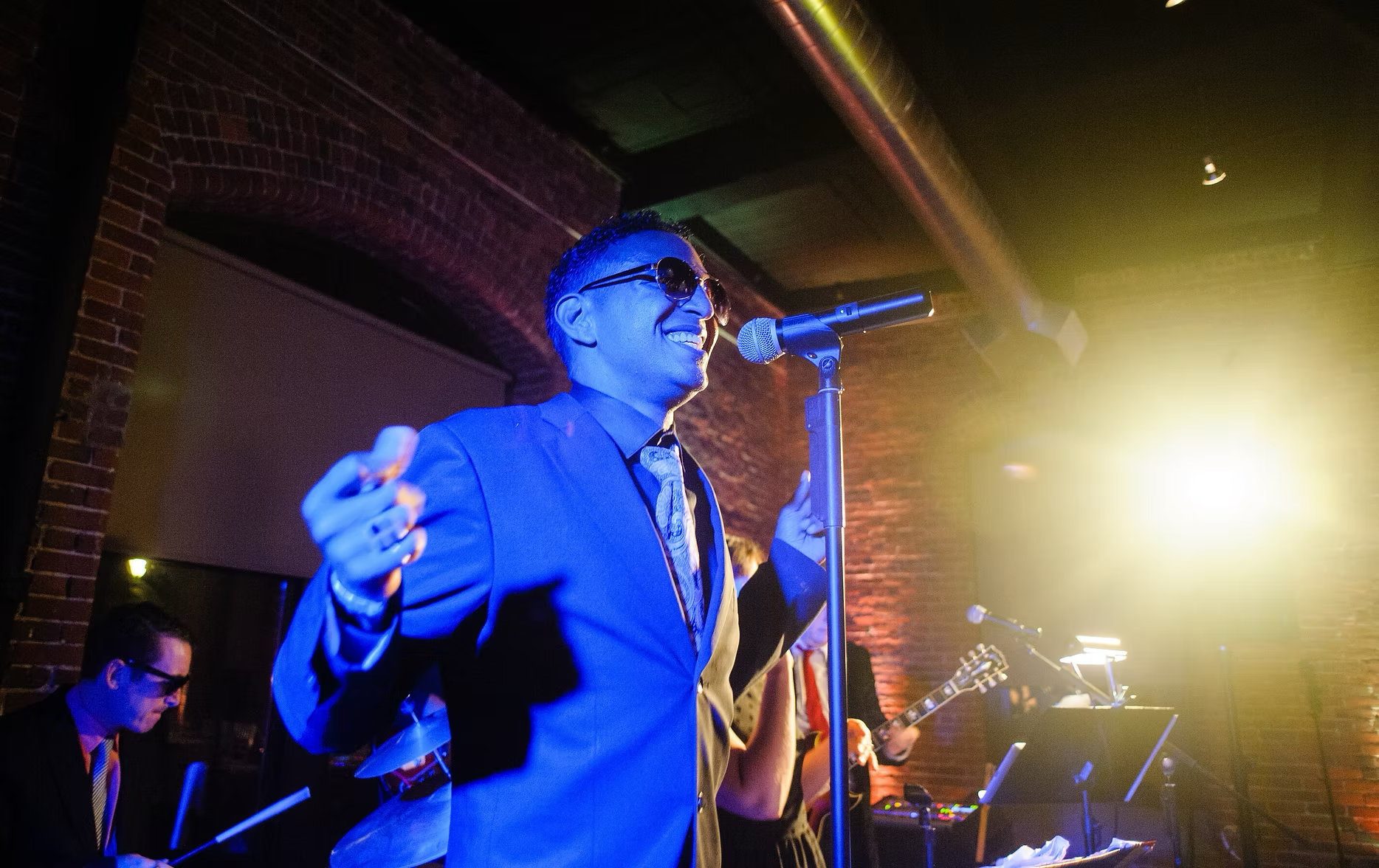
You've got the venue, the caterer, and a Pinterest board that could rival a design studio. But when it comes to entertainment — the thing your guests will talk about for years — you're stuck on one big question: do we hire a band or a DJ?
It's one of the most common decisions couples face, and there's no single right answer. But there is a right answer for you. Here's how to figure it out.
What a Live Band Brings to the Room
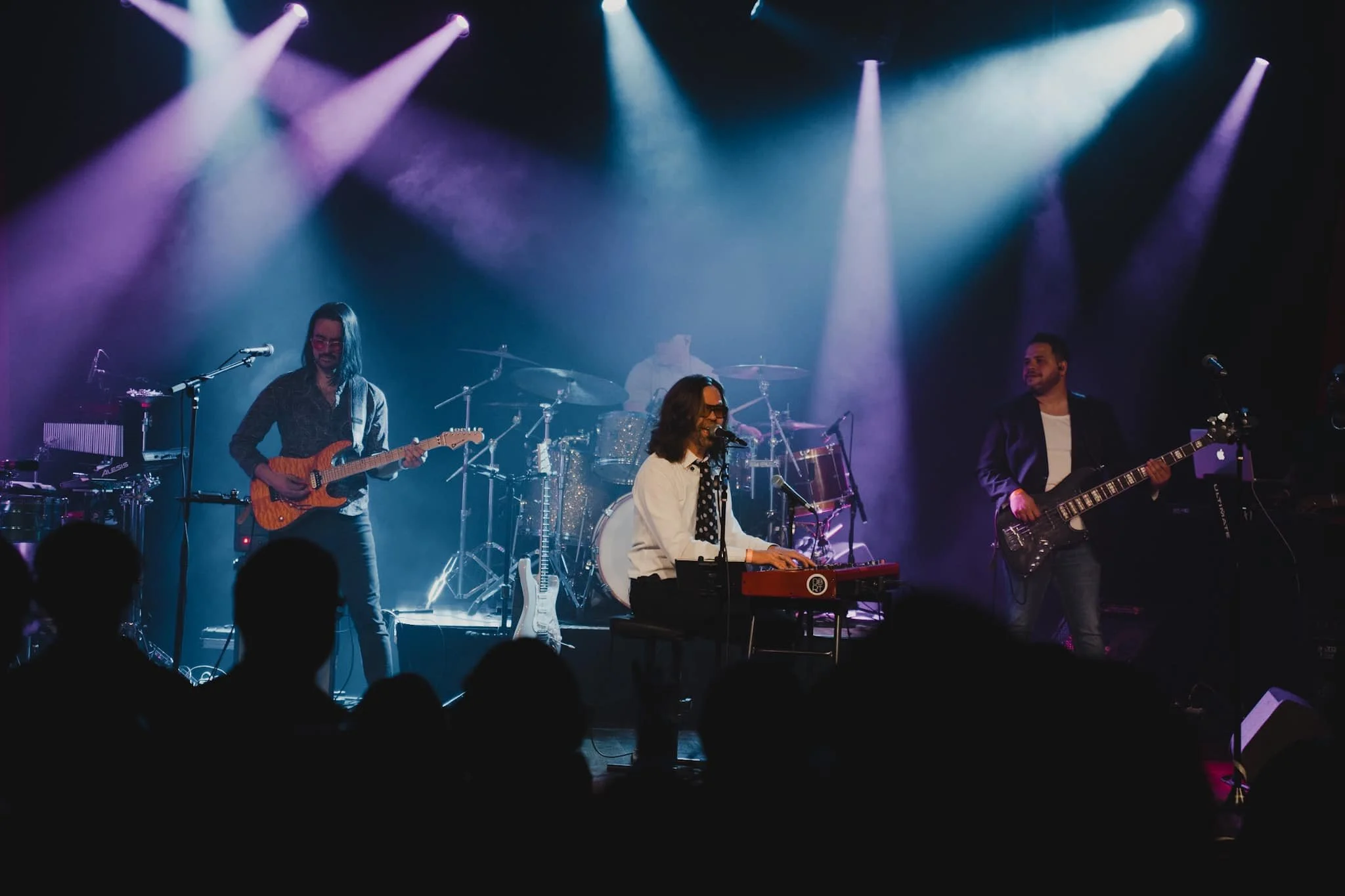
There's something about live music that completely shifts the energy of a room. When a vocalist locks eyes with the crowd during your first dance, or a horn section kicks in right as the dance floor opens up — that's a magnetic, concert-like experience.
A live band gives you a visual and musical centerpiece. They bring stage presence, raw energy, and a sense of occasion that makes the night feel like a major event.
A band tends to work well when:
Your venue has a stage or enough floor space to comfortably accommodate 4–10+ musicians and their gear.
You want a high-energy, interactive performance where musicians step onto the dance floor and engage directly with guests.
You love the unique textures, improvisations, and covers that only live instrumentation can provide.
You want your entertainment to double as a visual focal point of the reception.
Things to keep in mind: Bands require more physical space, more power, and a bit more logistical planning. Also, live musicians do need to take brief breaks over a three or four-hour night. However, professional wedding bands handle this seamlessly by playing curated playlists or partnering with a built-in DJ so the dance floor never goes quiet.
What a DJ Brings to the Table

A skilled wedding DJ is so much more than someone who just presses play. A great DJ is a master of reading the room in real time, blending genres seamlessly, and keeping the energy building all night long. They can pivot from cocktail hour jazz to dinner acoustics to a packed dance floor without skipping a single beat.
DJs also give you access to an virtually unlimited catalog of music. Want the exact album version of your first dance song? Done. Need to go from Frank Sinatra to Usher to The Killers in the span of ten minutes? A DJ can transition between vastly different genres flawlessly.
A DJ tends to work well when:
You want a massive range of genres covered exactly as they sound on the original recordings.
Your venue is more intimate, has sound level restrictions, or has space limitations.
You want a continuous, uninterrupted flow of music from the first song to the last dance.
You're looking to maximize your entertainment budget while still securing a polished, premier experience.
Things to keep in mind: Not all DJs are created equal. A great wedding DJ does much more than mix music — they act as the MC for your reception, manage the timeline, and direct the flow of the evening. When evaluating options, look for professionals who specialize specifically in weddings, as the skill set is entirely different from a club DJ.
Questions That Actually Help You Decide
Forget the "band vs. DJ" debate for a second. The better starting point is asking yourself a few honest questions about your specific wedding day:
What's your venue like? A 300-person ballroom with a sweeping built-in stage is practically begging for a full live band. A cozy, historic barn or an intimate restaurant space might be a much better fit for a streamlined DJ setup.
What's the overall vibe you're going for? If you're envisioning a classic, show-stopping gala where the music feels like a live production, lean toward a band. If you want a high-octane club vibe, seamless transitions, and a heavy emphasis on original tracks, a DJ is your best bet.
What's your budget? Bands generally cost more than DJs because you are paying for multiple elite talents, more equipment, and more travel logistics. In New England, a premier wedding band's pricing can vary a lot depending on size. A professional wedding DJ typically is less expensive . Both offer incredible value; it just depends on how you want to allocate your budget.
There's a Third Option: The Hybrid Setup
You don't necessarily have to choose one or the other. More and more couples are opting for a hybrid setup. This could mean hiring a DJ to anchor the night, but adding a live saxophonist or percussionist to play alongside them for that interactive, live-music feel. Alternatively, you can feature a live band for the main reception sets and a DJ to throw down an epic after-party set. It truly is the best of both worlds.
The Bottom Line
The best wedding entertainment is the one that aligns with your venue, your vibe, and your vision for the night. There is no wrong choice—only the wrong fit for your specific celebration.
The real trick? Don't just compare price tags. Watch their live performance videos, read reviews from past couples, and ask about their experience with venues like yours.
Ready to find the perfect soundtrack for your wedding? Browse our roster of New England's top wedding bands and DJs, or get in touch with the Covering New England team today. We'll help you find the perfect match for your date, venue, and style!